
260,000+ trees planted
4,300+ acres restored
17,000+ Volunteers
260,000+ trees planted 4,300+ acres restored 17,000+ Volunteers
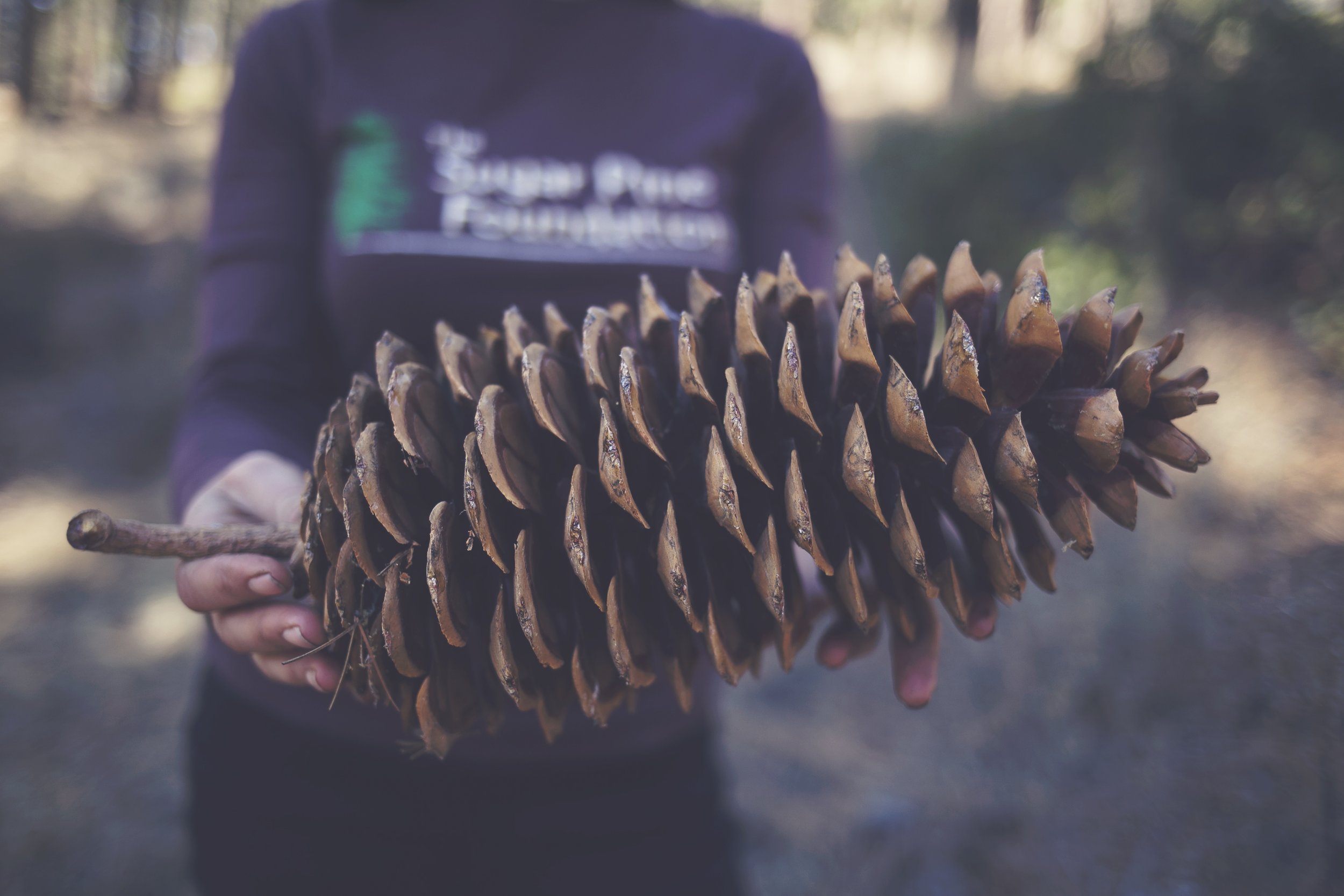
Sugar pines are the world’s largest species of pine and have the longest cones.
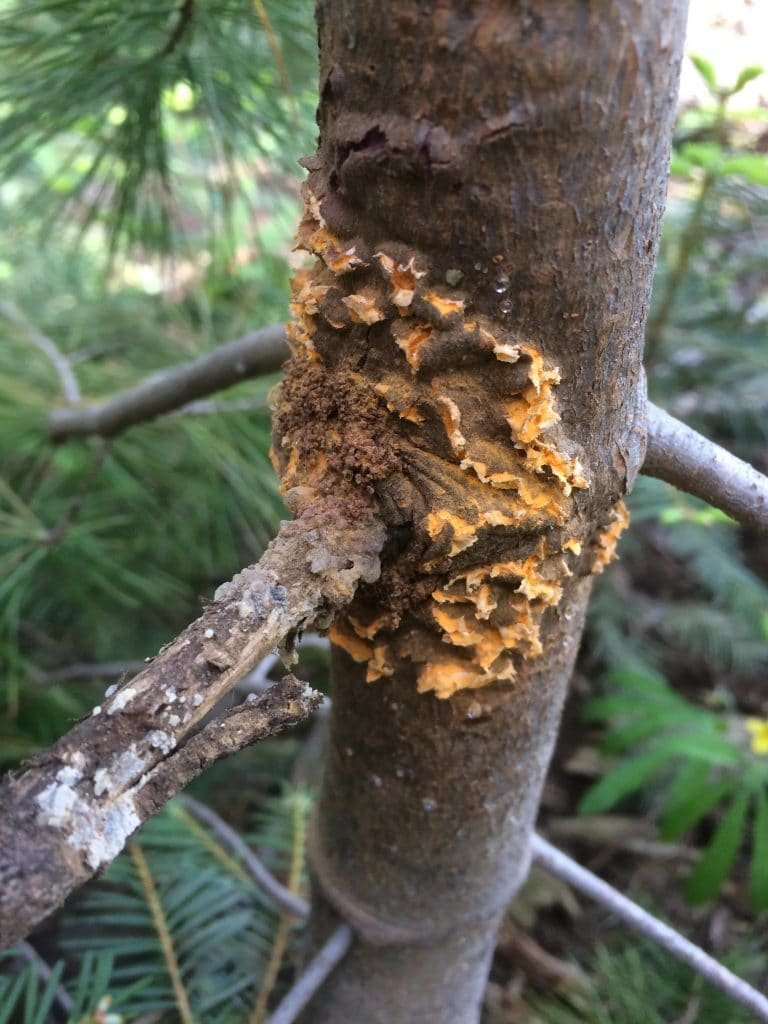
Once comprising 25% of Lake Tahoe’s forests, they are dying from white pine blister rust, a non-native, invasive fungus.
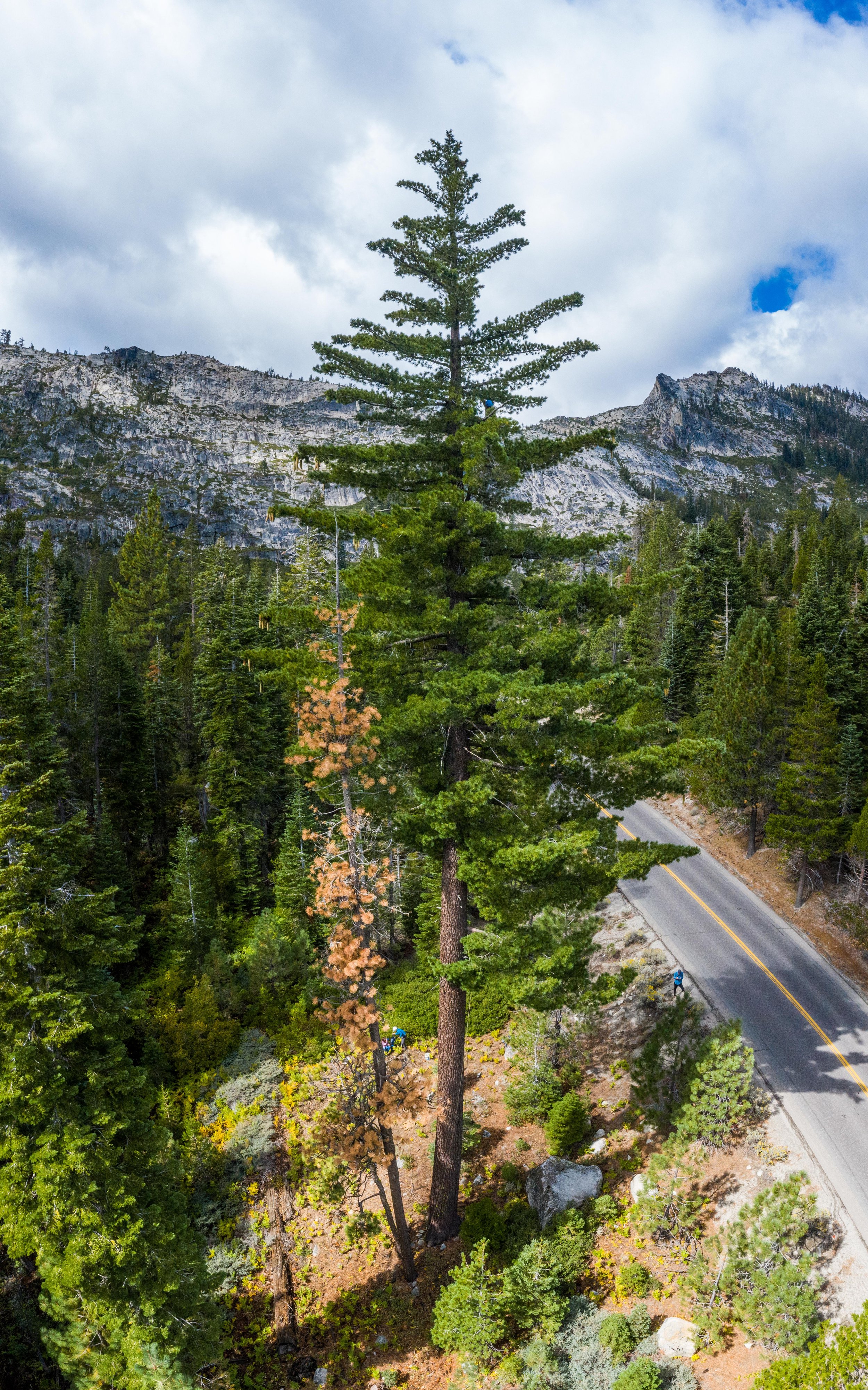
Sugar pines now make up less than 5% of our forests.
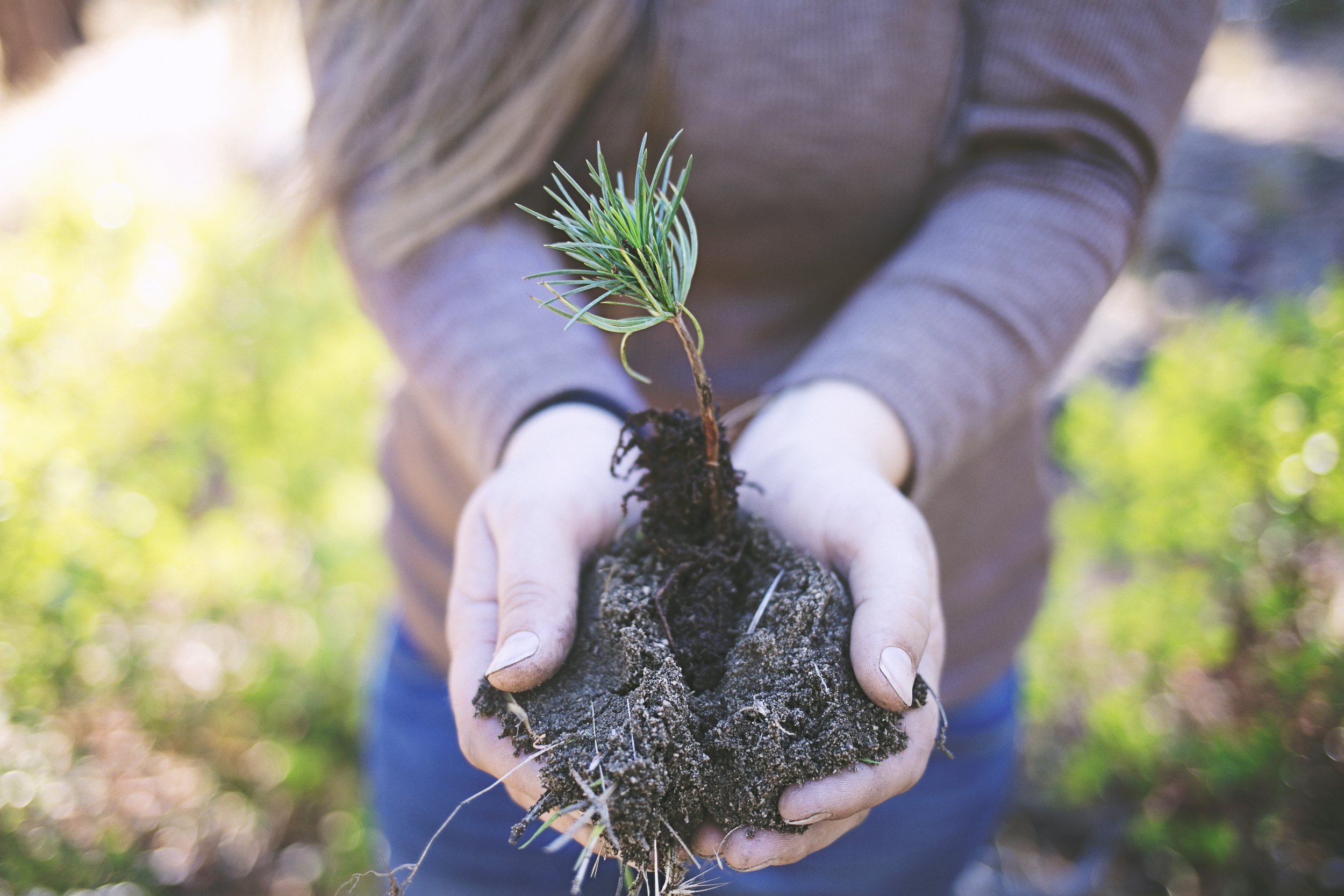
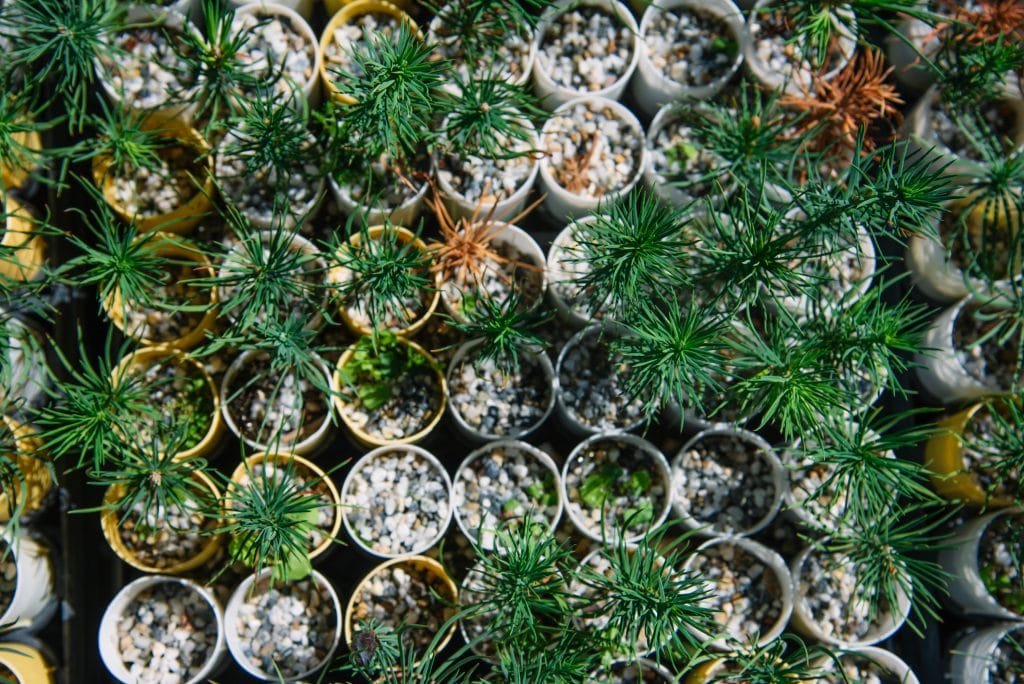
We find trees that can resist the fungus, collect their cones, and plant their seedlings.
How we help Tahoe’s forests
-

Blister rust resistant tree identification and planting
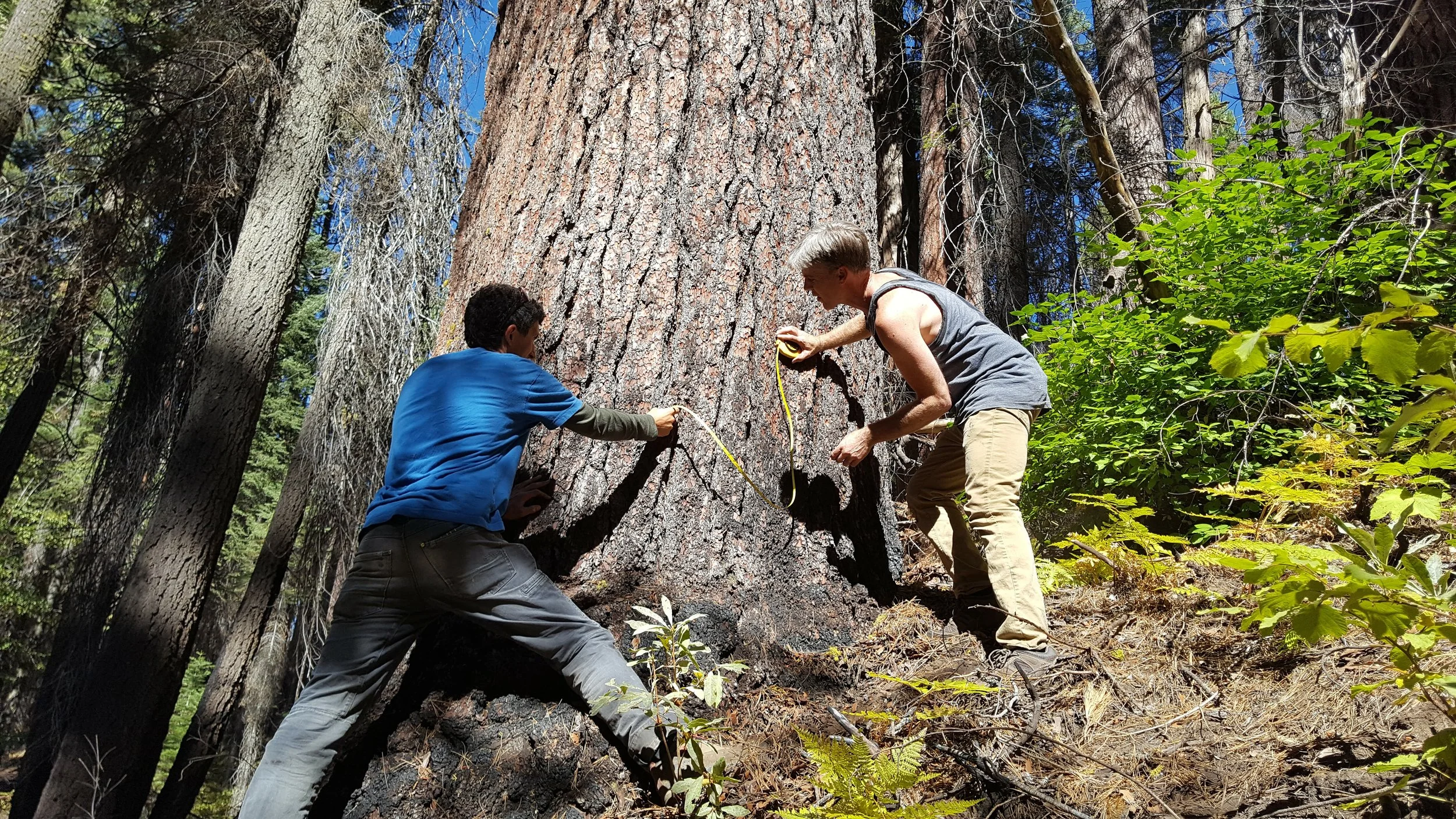
We find trees resistant to the blister rust fungus and plant them in our forests, building a generation of resilient white pines.
-
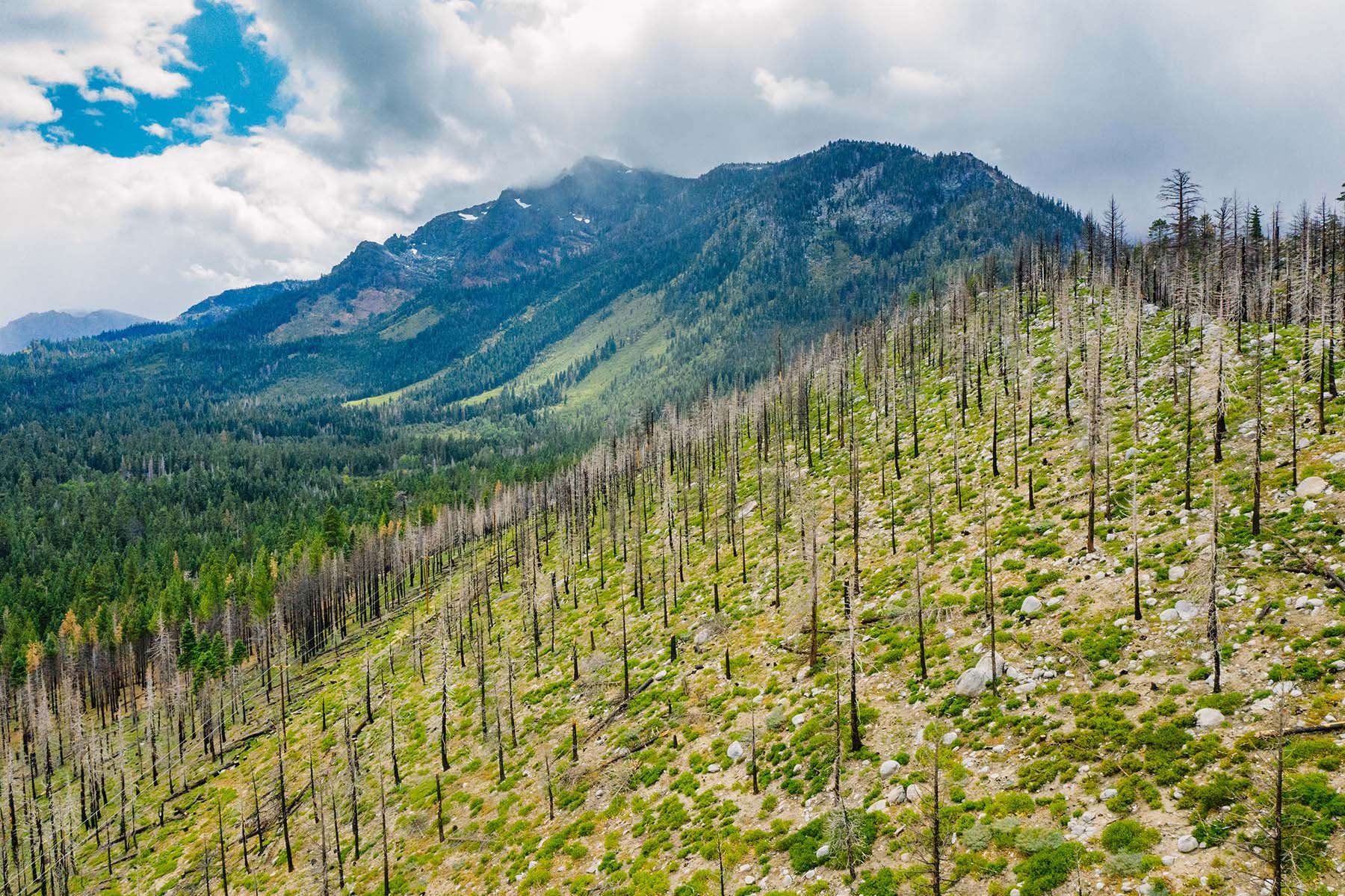
Burn scar restoration
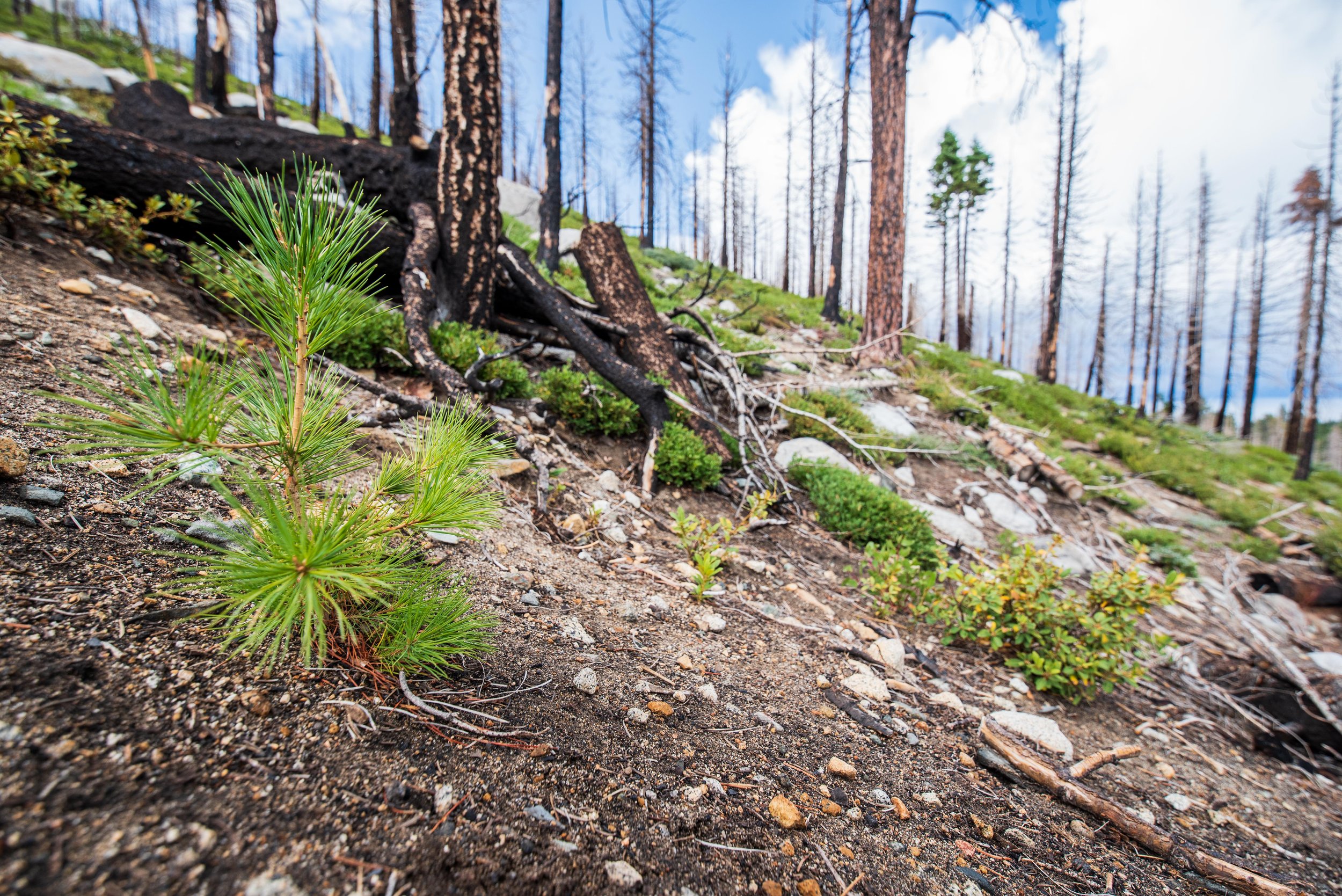
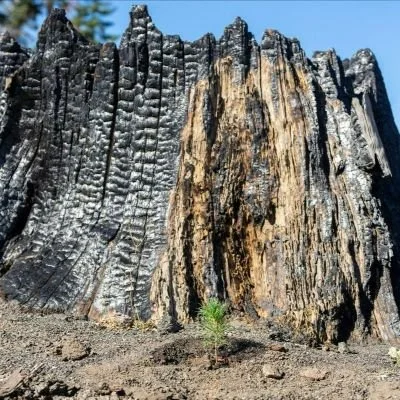
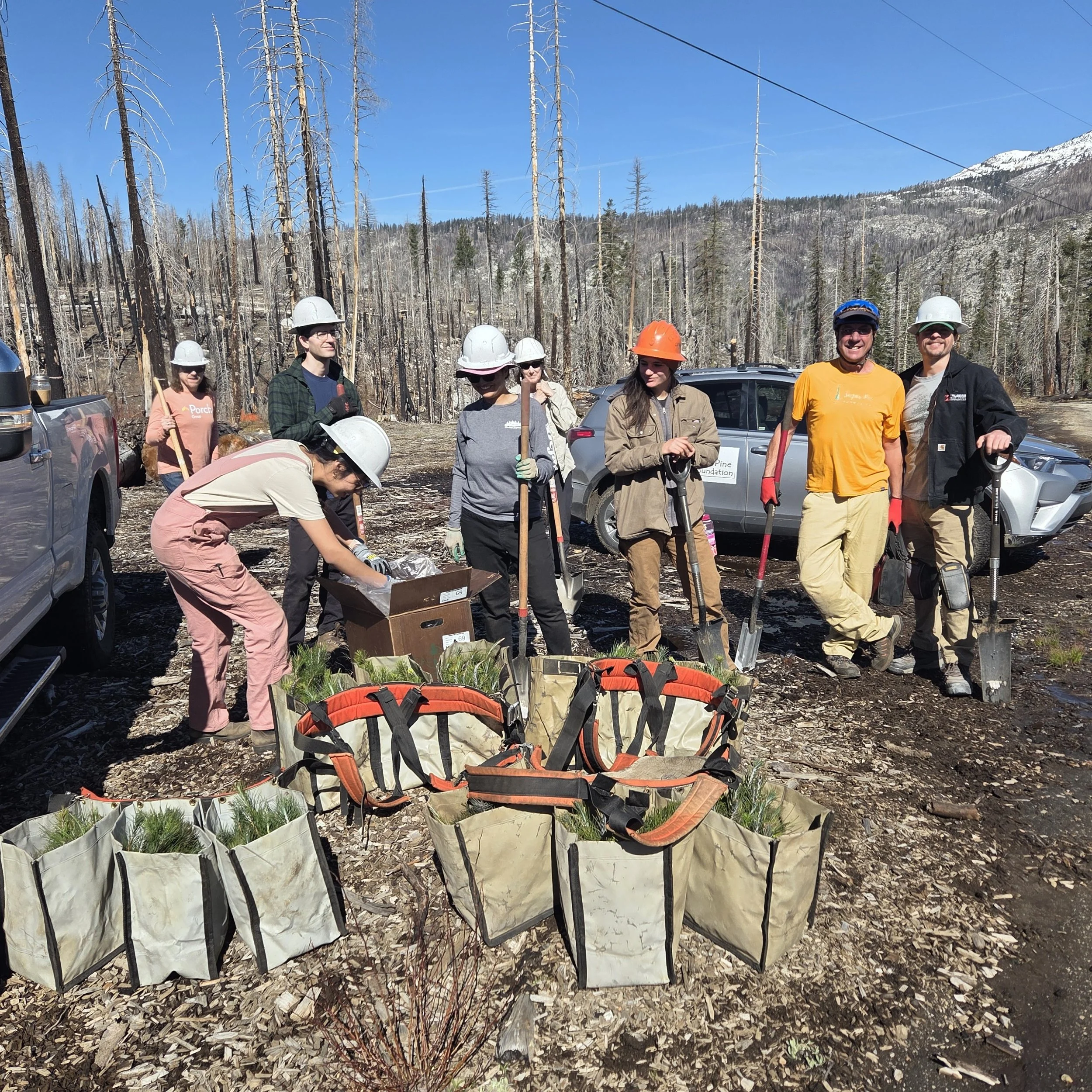
After a fire, we help encourage healthy diversity of trees by replanting within burn scars in the Tahoe area.
-
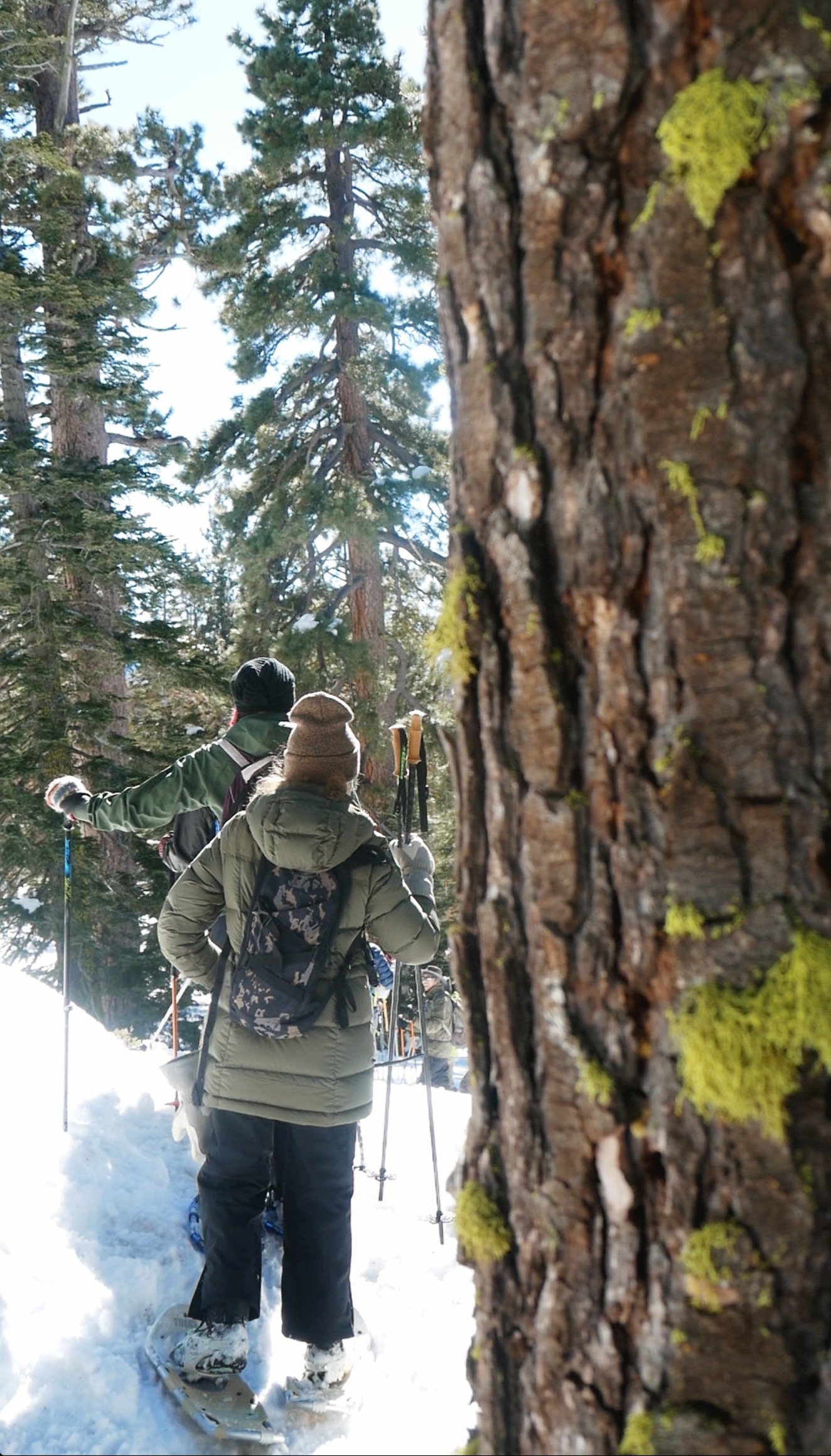
Educational Hikes
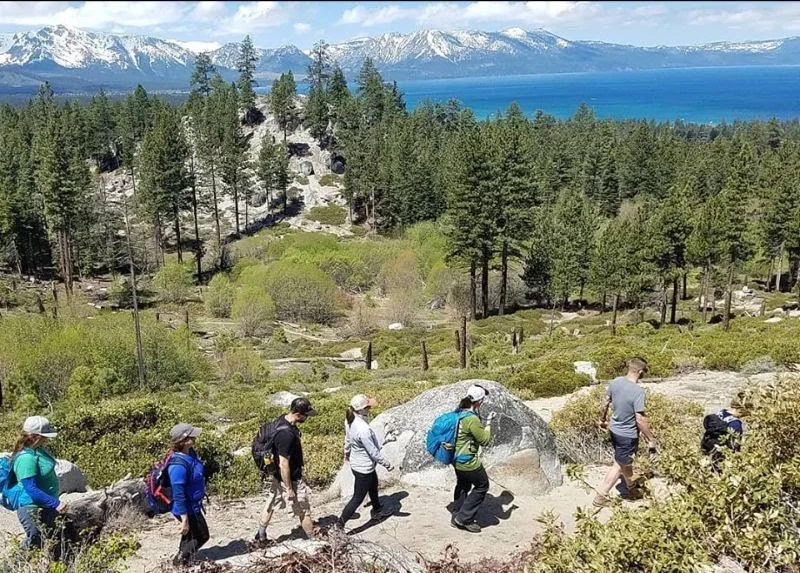
We lead hiking and snowshoeing trips through Tahoe’s forests to educate the public about the natural beauty and value of our forests.
Get Involved
-
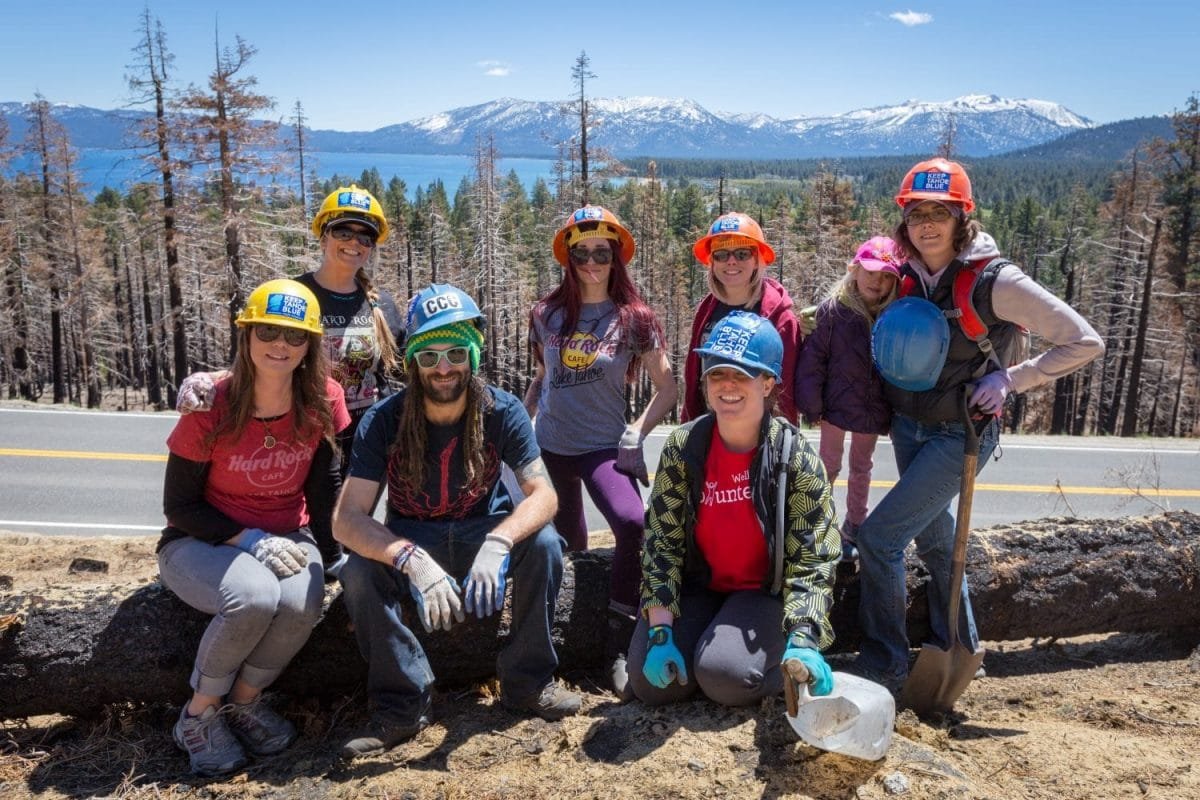
![Eight volunteers wearing hard hats pose for a photo on a fallen log in front of a forest fire scar with a view of Lake Tahoe and mountains behind]()
Volunteer
Plant trees, collect cones, check out our internships, or join our Board of Directors.
-
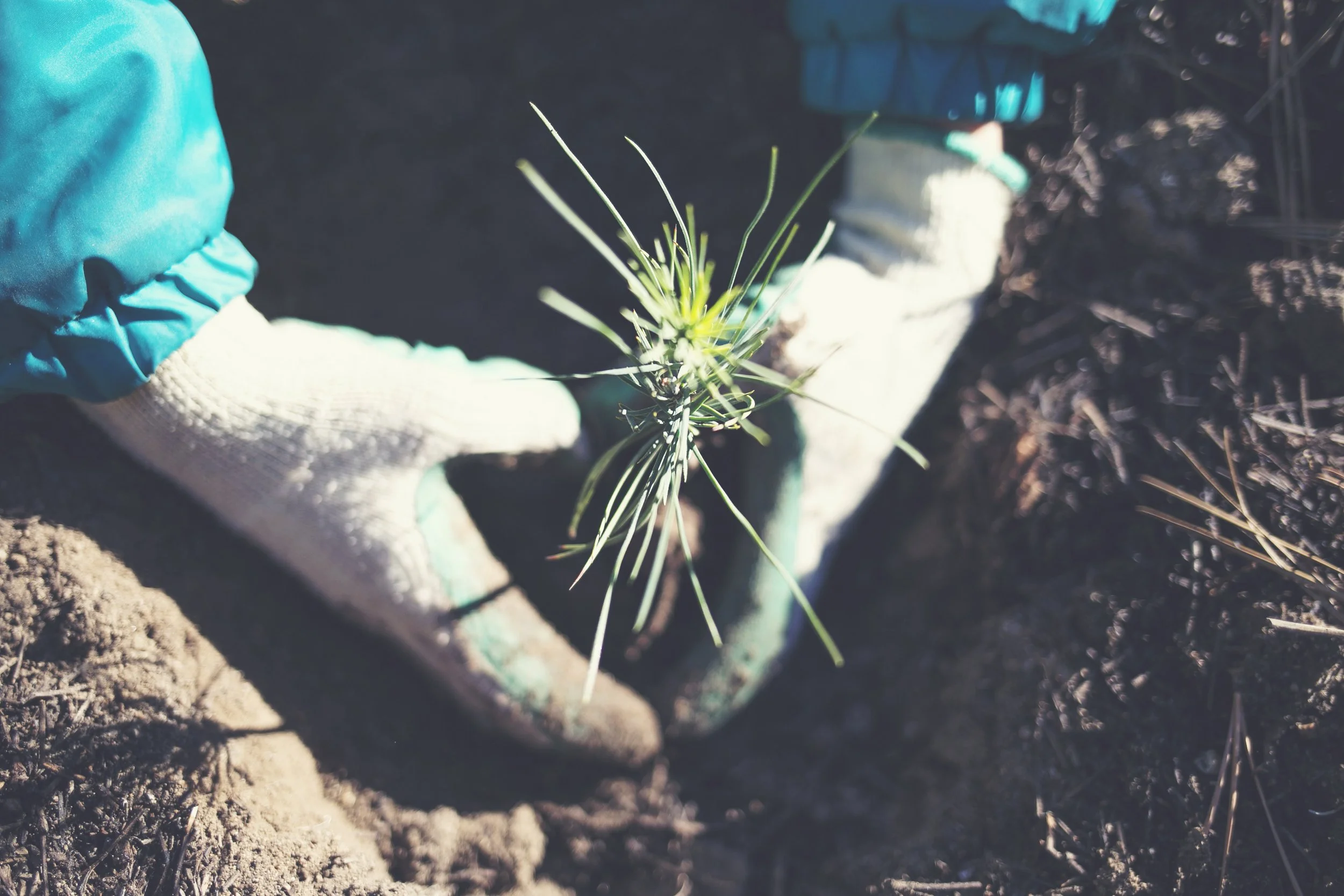
![Hands holding a Sugar Pine Seedling, a tuft of green needles from a sprig stemming from a clump of brown dirt]()
Become a Member
Supporting members help us sustain and grow our conservation efforts.
-
![Close-up of a person planting a young sprout in the soil, wearing gloves and a blue long-sleeve shirt.]()
Plant your own
Take conservation into your own hands and plant a sugar pine yourself.
-
![Woman smiling outdoors in a forest, holding potted plants wrapped in plastic.]()
Shop Sugar Pine
Buy Sugar Pine Foundation merch, seeds, seedlings, cones, and more!



Sugar Pine Blog
Indigenous Land Acknowledgement

The Sugar Pine Foundation is honored to help steward the ancestral homelands of the Washoe and Nisenan people.
These tribes still actively care for the forests, waters and natural resources of the greater Lake Tahoe region to this day. We are grateful to partner with our Washoe friends on many events.
Learn more about the Washoe Tribe of NV and CA and the Nisenan people.
-

Our Washoe friends: Carmelle and Meadow Smokey watering with their Uncle Marty Meeden in the Emerald Fire burn scar.
-

Meadow Smokey at our Caldor Fire planting at Thunder Mountain.
-
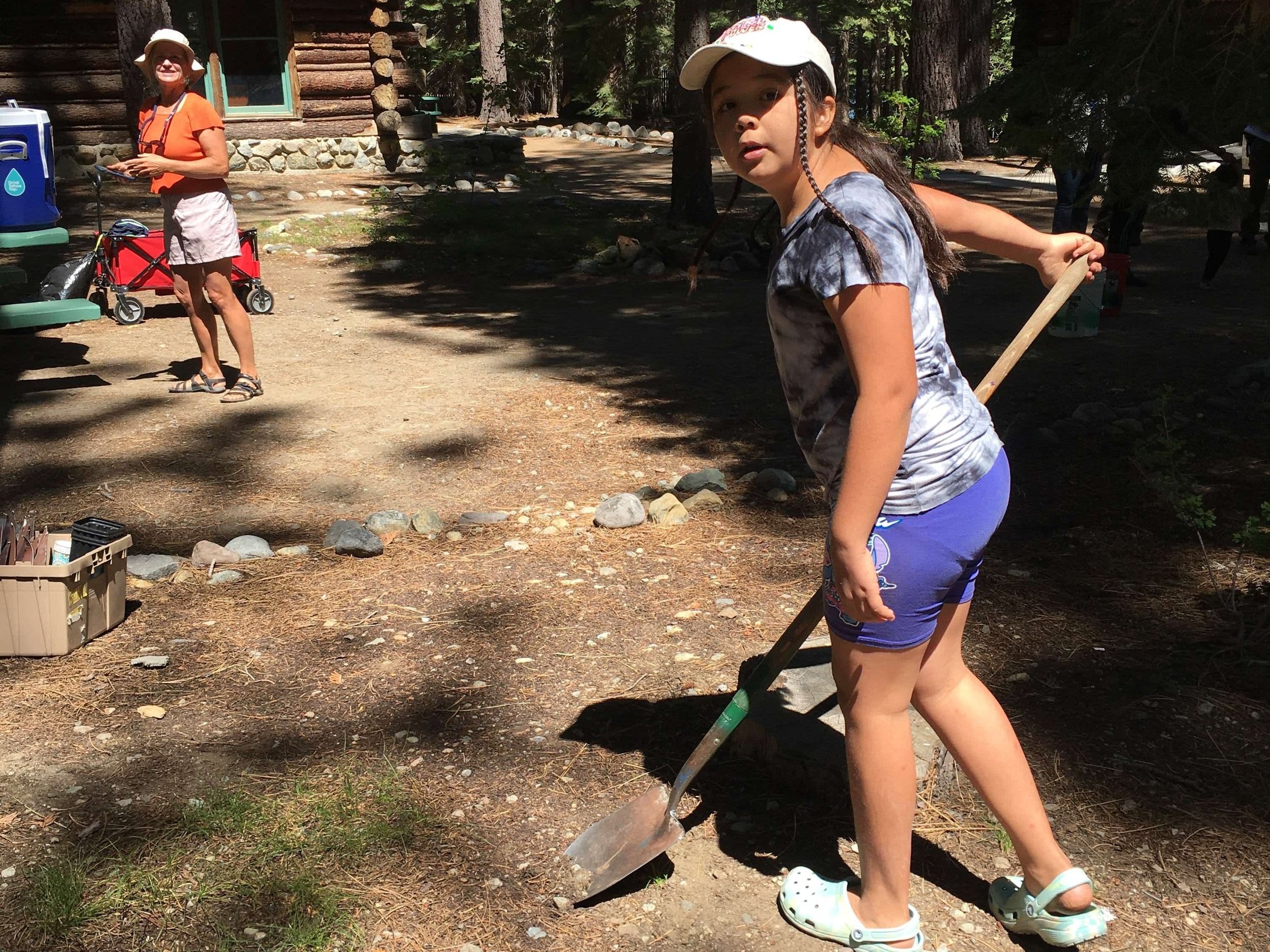
Carmelle Smokey getting ready to plant trees at Meeks Bay.
Welcome Andrea Cristina as one of our newest board members. She is a spiritually attuned artist who is guided by intuition and a love for nature and a lifelong learner currently pursuing regenerative agroforestry and geospatial mapping at LTCC.